.jpeg)
Why Your Pain Keeps Coming Back (And What Your Body Is Trying to Tell You)
Have you ever taken a few days off because something was bothering you—your knee, shoulder, or low back—only to jump back into your routine and feel the pain return almost immediately?It’s frustrating. And for many active adults, it becomes a cycle: rest, feel better, return, flare up, repeat.
But here’s the truth most people miss—your pain isn’t random, and it’s not just about doing “too much.” It’s usually a sign that your body wasn’t fully prepared or properly supported in the first place.
Pain Isn’t the Problem—It’s the Signal
One of the biggest misconceptions we see is treating pain like the main issue instead of what it really is: information.
Pain can show up in different places—your low back one day, your hip the next, maybe even your knee after that. This often leads people to feel like they’re chasing symptoms without real answers.But when pain moves, it doesn’t always mean things are getting worse. In many cases, it means your body is adapting.
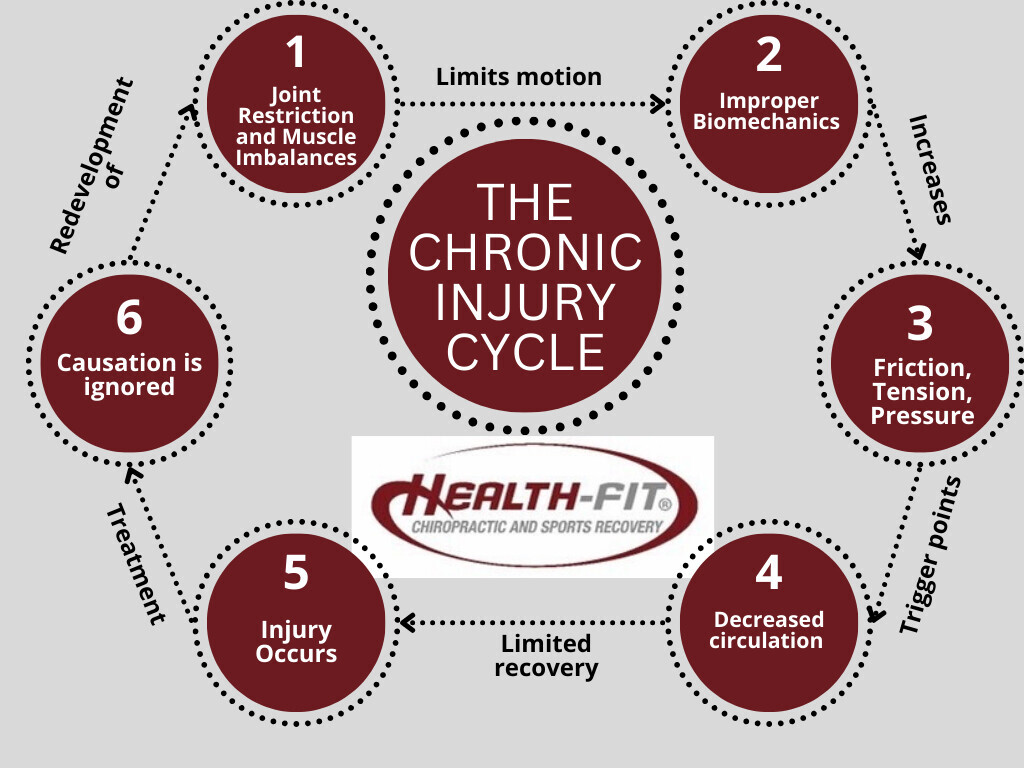
The real question is why it showed up to begin with.If a joint isn’t moving well or certain muscles aren’t doing their job, your body will compensate. Over time, those compensations create stress in other areas—and that’s where pain starts to appear.
The “Push Through It” Trap
It’s easy to fall into the mindset of pushing through discomfort. After all, staying active is important, right?Yes—but there’s a difference between healthy soreness and injury-related pain.
Soreness after a workout typically fades within a couple of days. Pain that lingers, returns quickly, or requires constant icing or medication to manage is your body asking for a different approach.
Pushing through that kind of pain doesn’t build resilience—it often leads to longer-term issues.
Why Rest Alone Isn’t Enough
Taking time off can help calm irritation, but it doesn’t solve the underlying problem.When you stop activity completely, your body’s tolerance for load actually decreases. So when you jump back into your usual routine—whether it’s a long run, a tough workout, or a few hours of pickleball—you’re often exceeding what your body can currently handle.
That’s why the pain comes back so quickly.Instead of going from rest straight to full intensity, your body needs a gradual return.
This process—called progressive reloading—helps rebuild strength, coordination, and tissue tolerance so you can handle activity again without setbacks.
The Missing Piece: Preparation
Another major factor that often gets overlooked is how you’re preparing your body before activity.If you’re skipping a proper warmup—or relying on quick stretches or a few minutes of cardio—you may not be giving your body what it actually needs.
An effective warmup should:Increase circulationImprove joint mobilityActivate stabilizing musclesThink of it as turning your nervous system “on” before asking your body to perform.
Without that preparation, certain muscles don’t engage properly, and other areas take on more stress than they should.That’s when tightness, fatigue, and pain start to creep in—sometimes halfway through your workout, sometimes later that day or week.
A Smarter Way Forward
If you’ve been stuck in the cycle of recurring pain, the solution isn’t to stop moving—or to push harder.It’s to move smarter.That means:
- Preparing your body properly before activity
- Gradually building back into your routinePaying attention to patterns instead of just symptoms
- Addressing the root cause—not just the pain itself
- Your body is incredibly adaptable when given the right inputs. When you improve how your body moves and handles stress, you don’t just get out of pain—you stay out of it.
If you’re tired of starting over every few weeks, it may be time to shift your approach and give your body the strategy it’s been asking for.
.jpeg)